

Opening a car is a process that requires a certain amount of knowledge and care, especially if it needs to be done without causing damage. The right approach helps minimize risks and speeds up the process. It’s important to follow the correct steps and use the right tools to avoid damaging the paintwork or locks.
For more information about opening a car on https://carlocksmithkitchener.ca/, read the recommendations of professionals and follow safety precautions. This article contains basic tips to help you open the car as safely and effectively as possible.
Steps for Safely Opening a Car: A Step-by-Step Guide
Before opening a car, it’s important to ensure you have the necessary tools and follow safety precautions. This process should only be performed for legitimate purposes and with the owner’s permission. Following the steps correctly will help avoid damage and speed up the process.
The next step is to prepare your work area and tools, such as plastic clips, metal chains, screwdrivers, and special emergency opening tools. It’s also important to wear protective gloves and goggles to protect yourself from possible injury. A thorough familiarization with the design of your specific car model will help prevent accidental damage during opening.
Key Steps to Safely Opening a Car: A Step-by-Step Guide
- Inspect the Car: Check the location of locks, handles, and possible access points. Choose the safest and most secure method for opening your vehicle.
- Degreasing and cleaning the surface: Clean the areas around locks and door handles to ensure better tool glide and prevent damage to the paintwork.
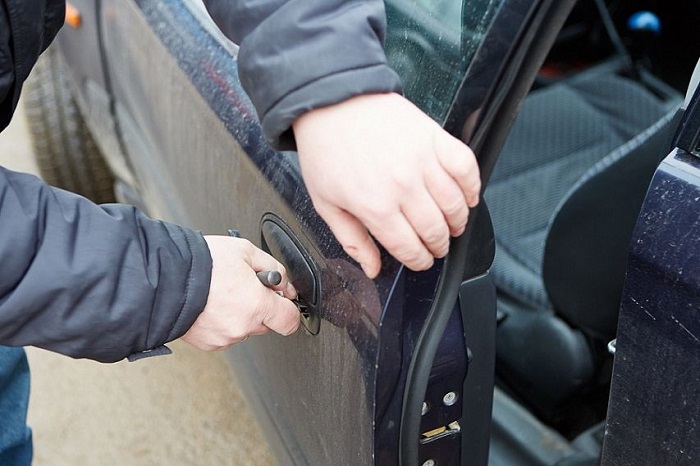
- Opening the door lock: Use a special tool (such as a plastic spudger or plastic cardboard) to carefully lift the plastic trim and access the lock or cable.
- Manipulating internal mechanisms: Connect the appropriate tools to the levers or cables inside the door to gently pry the lock open.
- Checking locked components: Ensure that all locks and handles function properly after opening, avoiding excessive force.
Correct selection of tools for removing key body components
Before you begin removing key body components, it is important to select the correct tools to ensure the procedure is as efficient and damage-free as possible. Using high-quality, task-specific tools ensures the safety of parts and the worker.
The choice of tools depends on the type of components to be removed, as well as the body material and fasteners. Proper selection helps prevent damage during disassembly and makes the process faster and more convenient.
Essential Tools for Disassembly
-
- Screwdrivers and Phillips-head screwdrivers – necessary for removing screws and self-tapping screws holding plastic and metal panels.
- Foam and plastic spatulas – prevent damage to the body surface when separating elements such as trim or decorative panels.
- Hydraulic or manual disassembly hammers – used for carefully removing elements secured with wedges or glue.
- Pliers and nippers – help remove clamps, staples, and various types of fasteners.
- Heavy-duty knives and metal shears – needed for cutting fasteners and plastic if necessary.
Technique for carefully removing door panels and side parts Interior
Correctly removing door panels and side interior elements is a crucial step in the car disassembly process. Care and precision determine the integrity of the fasteners, the appearance of the components, and their ability to be reinstalled without damage.
Follow the correct sequence and use the appropriate tools to avoid kinks and scratches. Below are the basic principles and tips for safe dismantling.
Basic Principles and Tips for Careful Removal
-
-
- Prepare your tools: a set of screwdrivers, plastic spudgers, fastener removers, and gloves.
- Pay attention to fasteners: look for screws, clips, and fasteners located around the perimeter and inside the door panel.
- Start by carefully separating the panels: use plastic spudgers to gently separate the panel from the body, avoiding damage to the fasteners.
- Pay attention to electrical wiring: before disconnecting, make sure to disconnect the power connectors to avoid damaging the electrical equipment.
- Work carefully and consistently: do not use excessive force, use small movements to avoid breaking parts and leaving marks.
-
Correct and Careful Removal of Door Panels panels and side parts of the interior are the key to the safety of the car during disassembly following consistent steps, using the right tools, and handling with care ensures safety and fast results.