

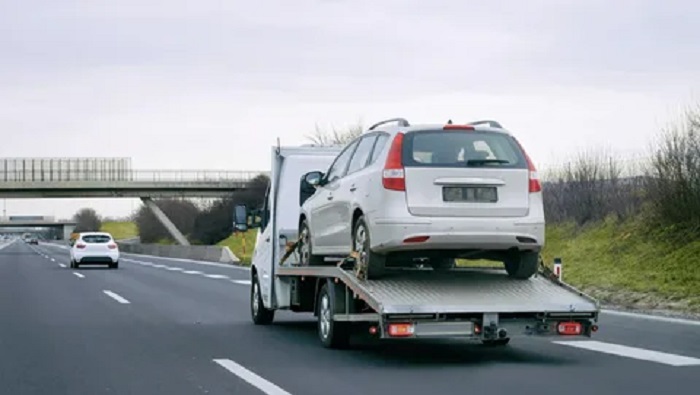
Vehicle towing is a process that requires knowledge of certain rules and nuances to ensure the safety and security of your vehicle. It’s important to choose the right company, such as Towing Guelph, which has all the necessary licenses and experience to perform the work quickly and accurately.
If you need to call a tow truck, consider the specifics of the situation, follow traffic regulations, and avoid improper actions to avoid worsening the condition of your vehicle or causing additional problems. Proper preparation and knowledge of the basic aspects of towing will help you reduce risks and ensure the prompt delivery of your vehicle to its destination.
Proper Preparation for a Tow Truck Call: What Drivers Need to Know
Before calling a tow truck, it’s important to ensure your vehicle is properly prepared for safe loading and transport. This includes clearing the area around the vehicle so the tow truck driver can easily access it and secure it properly. It’s also important to check the availability of important documents, such as registration and insurance, to facilitate the registration process.
Another important part of preparation is informing the towing service of the exact location of the vehicle, its storage conditions, and any special features. This will help select the appropriate type of tow truck and reduce the risk of damage during loading. Preparation also includes cleaning the interior of the vehicle to prevent damage during transport and ensure its safety.
How to Quickly Determine the Most Suitable Towing Service in an Emergency
In an emergency, it’s important to quickly select the right service for assistance. Choosing the right service will ensure the timely and safe transportation of your vehicle, which is especially important in the event of an emergency or roadblock.
To make the right choice, consider factors such as the location, the type of vehicle being towed, and the nature of the emergency. Quickly finding the right service minimizes time spent and improves the effectiveness of assistance.
Key criteria for quickly identifying the right service
1. Use mobile apps and online services. Most modern towing services have their own apps or official websites, allowing you to book a service in just a few clicks. Look for GPS location tracking to speed up the process.
2. Consider geographic availability. Make sure the chosen service operates in your area and can quickly arrive at your address. Read reviews and ratings from other users to understand the service’s responsiveness.
Tips for identifying the right service in an emergency
- Pay attention to the service’s contact information and operating hours. In an emergency, it’s best to immediately call 24/7 companies.
- Confirm the exact arrival time and service cost with the dispatcher to avoid any misunderstandings later.
- If possible, prepare a list of trusted towing services in advance, especially if you’re in an unfamiliar area.
Setting Up a Safe Vehicle Loading Area: Technical Details and Tips
Properly preparing the loading area is one of the key aspects of a successful towing operation. The safety of the crew and the vehicle being towed depend on proper organization of the area. Careful adherence to technical requirements helps prevent damage and speeds up the recovery process.
This section covers the basic recommendations and nuances associated with preparing the loading area, and highlights important points for ensuring the safety and efficiency of the work.
Key Tips for Preparing a Vehicle Recovery Site
- The site must be level and solid. This ensures stable placement of the vehicle transporters and prevents them from slipping.
- Clear the area. Ensure there are no obstacles around the loading area that could interfere with the work.
- Provide good lighting. This is especially important when working at night or in poor visibility.
- Make markings. This will help accurately position the vehicle for loading and avoid errors.
- Ensure the components are securely fastened. All equipment used during preparation must meet technical standards and be in good working order.
Technical Details to Consider
- Use Appropriate Equipment. Truck cranes, hydraulic platforms, and cables must be certified and suitable for the loads.
- Check Surface Condition Before Loading Check for potholes, cracks, and other defects that could affect safety.
- Maintain balance and securement. The vehicle must be properly secured to prevent movement during transport.
- Check fasteners. All fasteners and locks must be checked before each start.
- Ensure a safe observation area. Keep employees at a safe distance to avoid the risk of equipment falling or slipping.
Efficient vehicle recovery directly depends on the proper setup of the loading area. Technical details, attentiveness, and strict adherence to recommendations help ensure safety and speed up the process. Remember that a prepared area is the key to a successful recovery, vehicle safety, and minimized risks for personnel.